
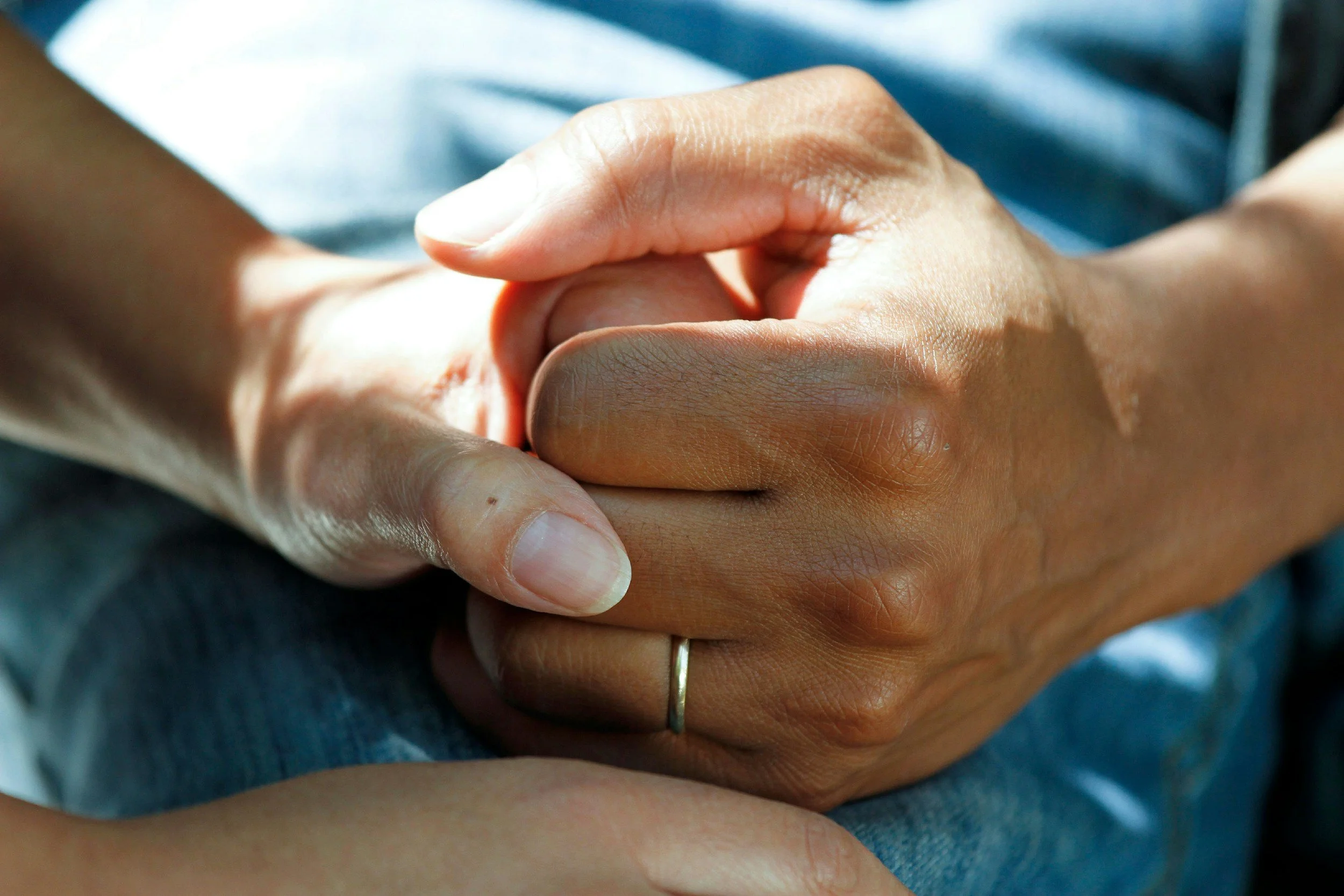
How to Support an Injured Rider After a Motorcycle Crash
Practical, Emotional, and Legal Support That Makes a Real Difference in Recovery
When a rider survives a motorcycle crash, the world doesn’t go back to normal — not for them, and not for the people who care about them. Whether the injuries are moderate or life-altering, the aftermath is physically painful, emotionally exhausting, and overwhelming in ways most people never see coming.
Friends, partners, and family members often ask me the same question after a crash:
“What can I do to help? I feel helpless.”
The truth is, supporting an injured motorcyclist takes more than hospital visits and well-wishes. Riders are independent by nature. They’re used to movement, control, balance, and freedom. A crash steals that from them in an instant — and the recovery involves more than broken bones and medical bills.
This guide is for anyone who loves or supports a rider. It will help you understand what they’re facing, what they actually need, and how you can support them through the long road back.
Understanding the Rider Mindset After a Crash
Riders don’t think like everyone else. Their identity, independence, and lifestyle are tied to movement, self-reliance, and mastery of a machine that demands respect.
After a crash, they may experience:
Frustration and helplessness — unable to do basic tasks
Loss of independence — relying on others for mobility, work, or daily routines
Anger — at the driver, at themselves, at the situation, at fate
Fear — not just of riding again, but of financial consequences, long-term injuries, or disappointing their loved ones
Shame or embarrassment — even when the crash wasn’t their fault
Physical pain and exhaustion — often more than they admit
Understanding that emotional layer is the first step in supporting them. Many riders will try to tough it out, minimize their symptoms, or refuse help out of pride.
They don’t need someone to tell them to “be strong.”
They need someone who gets what they’re going through.
The Most Important Ways to Support an Injured Rider
Below are the practical, emotional, and legal ways friends, partners, and families can support a rider through the hardest phase of their recovery.
1. Prioritize Their Physical Recovery
Motorcycle injuries often include:
Soft tissue trauma
Even if the rider “looks okay,” the internal recovery can be long and complicated.
How to Help:
Attend medical appointments when you can — two sets of ears hear more than one.
Keep notes— doctors move quickly. Riders in pain or on medication miss details.
Help track medications, physical therapy, and follow-ups.
Watch for signs of complications — infections, dizziness, severe pain, emotional distress.
Encourage rest without nagging — riders hate being still, but the body needs it.
Physical healing is only one piece, but it’s the foundation for everything else.
2. Support Their Emotional and Mental Health
Riders often struggle silently after a crash.
Common emotional challenges include:
Depression
Anxiety
Irritability
Grief over losing mobility
Fear of financial instability
Fear of disappointing family members
Fear of never riding again
How to Help:
Normalize their feelings — riders often feel embarrassed or weak. Remind them recovery is not a test of toughness.
Encourage therapy if needed — especially after traumatic crashes.
Be patient with mood swings — they’re common.
Help them find small victories — walking a little farther today, sitting up longer, getting outside.
Validate their biker identity — a crash doesn’t make someone “less of a rider.”
One of the biggest unspoken injuries in motorcycle crashes is the emotional injury. You can help them heal from that too.
3. Help Them Navigate the Practical Day-to-Day Tasks
After a crash, riders often can’t:
Drive
Work
Cook
Clean
Lift things
Run errands
Care for kids
Manage logistics
They may not ask for help — pride gets in the way.
How to Help:
Offer specific assistance (“Can I take you to your appointment Monday?” rather than “Let me know if you need anything.”)
Create routines — medication tracking, meals, check-ins.
Coordinate with other friends/family so the rider doesn’t feel overwhelmed or guilty.
Help organize paperwork and bills.
Make their home safer — rearrange furniture, remove obstacles, help with shower accessibility.
Small acts make a big difference — and help riders feel supported rather than dependent.
4. Protect Them From Insurance Companies
This is one of the biggest, most overlooked ways to support an injured rider.
Riders almost never realize how aggressive insurance companies can be after a crash. They will:
Push for recorded statements
Misinterpret things the rider says while medicated
Blame the rider
Downplay injuries
Pressure for early settlement
Twist words into admissions of fault
And riders, wanting to be polite or straightforward, often hurt their case without meaning to.
How to Help:
Intercept insurance calls — riders should not deal with them directly.
Remind them: never give a recorded statement.
Keep all medical documentation.
Help them avoid social media posts.
Contact a motorcycle lawyer early.
Supporting a rider means protecting them from exploitation.
5. Help Them Understand That the Crash Was Not Their Fault
Even if they did nothing wrong, riders often internalize blame:
“I should have seen that car.”
“I shouldn’t have gone out today.”
“Maybe I was going too fast.”
But in reality, the majority of motorcycle crashes are caused by drivers, not riders.
Driver negligence includes:
Failure to check blind spots
Recklessness
A supportive person can help a rider distinguish between responsibility and survivor guilt.
6. Encourage Them to Follow Medical Advice
Riders sometimes:
Skip physical therapy
Refuse assistive devices
Try to get back to work too soon
Ride long before they’re healed
Resist medication
Hide symptoms out of pride
They want their life back. They want their independence. They want the wind and the road again.
How to Help:
Frame compliance as a step toward riding again:
“The sooner you heal fully, the sooner you get back on two wheels.”Break tasks into manageable steps.
Celebrate progress.
Reinforce that healing is strength — not weakness.
7. Make Their Environment Supportive, Not Overbearing
After a crash, riders can feel suffocated if people hover too much. They don’t want to be treated like they’re fragile or helpless.
Support without suffocation:
Check in, but don’t interrogate.
Offer help, but don’t insist.
Give them autonomy, but don’t leave them isolated.
Respect their coping style.
Let them talk about the crash — or not — on their terms.
Balance is everything.
8. Help Them Advocate for Their Long-Term Needs
Some injuries take months or years to fully heal. Some create permanent limitations. Some involve surgeries long after the crash.
Riders need advocates who think beyond “today.”
How to Help:
Chart symptoms and setbacks.
Track out-of-pocket expenses.
Keep injury journals.
Stay organized with medical records.
Help them articulate long-term concerns at appointments.
The better the documentation, the stronger their case — and the smoother their recovery.
9. Protect Their Legal Rights
Motorcycle cases are different from car cases. They involve:
Motorcycle dynamics
Rider visibility
Complex medical injuries
Reconstruction
Police report errors
Insurance disputes
Supporting the rider means making sure they have someone who understands all of that.
How a motorcycle lawyer helps:
Investigates the crash
Corrects inaccurate police reports
Preserves evidence
Handles insurance
Coordinates medical care
Calculates long-term damages
Fights biker bias
Gives the rider and family peace of mind
The earlier a lawyer gets involved, the better protected the rider is.
10. Prepare for the Emotional Marathon
Recovery from a motorcycle crash isn’t measured in hours or days. It’s measured in:
Pain thresholds
Mood shifts
Physical therapy sessions
Small wins
Setbacks
Strength regained inch by inch
Supporting a rider means understanding the marathon ahead.
How to stay steady:
Expect ups and downs
Celebrate progress, not perfection
Understand trauma responses
Don’t rush them
Get support for yourself too
You can’t pour from an empty cup. Supporting someone through a long recovery requires your strength and well-being too.
You Don’t Have to Support an Injured Rider Alone
If you’re caring for an injured rider right now — physically, emotionally, financially, or all of the above — please hear this:
You’re doing more than you realize. You’re already helping in ways the rider may never be able to put into words.
But you also don’t need to shoulder the hardest parts alone.
At McCarthy Motorcycle Law:
Our case reviews are free
They are confidential
They go straight to our inbox, not a call center
We usually respond the same day
We help both riders and the people supporting them
You take care of them.
We’ll take care of the fight.
Your ride.
Your rights.
Our fight.