
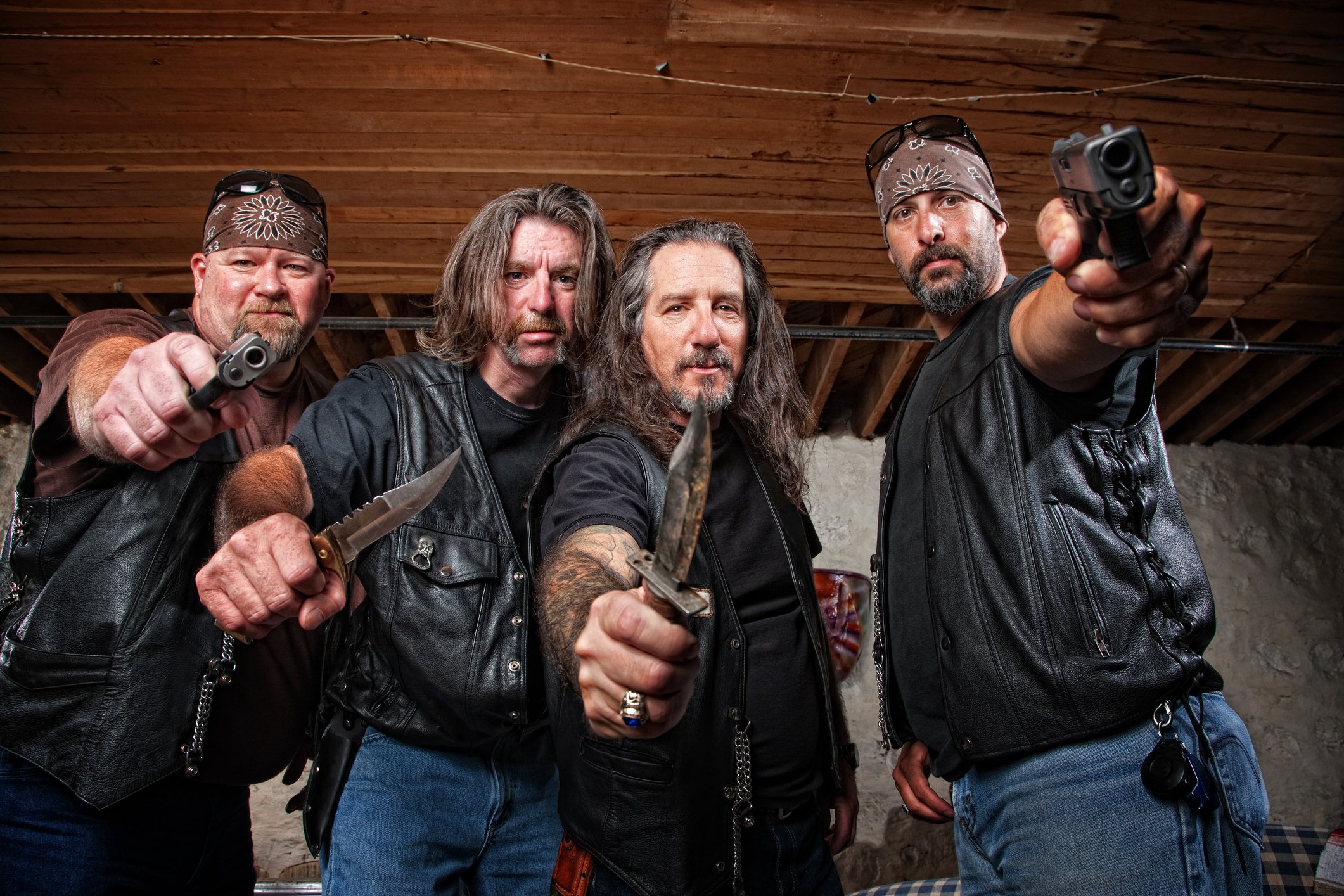
Fighting Biker Bias in California Motorcycle Injury and Wrongful Death Cases
The Hidden Challenge Riders Face in Almost Every Motorcycle Case
If you were hit on your motorcycle — or if you lost someone you love in a crash — you already know the truth:
People make assumptions about riders.
Not because of the facts.
Not because of the evidence.
But because of stereotypes.
We hear it all the time:
“Motorcyclists are reckless.”
“Motorcyclists go too fast.”
“Motorcyclists weave through traffic.”
“Motorcyclists cause their own injuries.”
These assumptions seep into police reports, insurance negotiations, and even jury pools — and they can affect how your case is valued unless they’re addressed head-on.
This is what we call biker bias, and if you don’t know how to confront it, it will cost you.
At McCarthy Motorcycle Law, we’ve built a practice specifically around protecting riders from this unfair, outdated, and dangerous bias — and leveling the playing field for injured riders and families who’ve lost loved ones.
What Is Biker Bias, and Why Does It Matter?
Biker bias is the tendency for people — including some police officers, insurance adjusters, and jurors — to assume:
You must have been speeding
You must have done something risky
You must share responsibility for the crash
You deserved less protection because you “chose a dangerous hobby”
None of this is rooted in evidence.
None of this reflects the reality of responsible riders.
None of this has any place in a courtroom or negotiation.
But it shows up in subtle ways that can impact:
fault determinations
settlement offers
how medical injuries are evaluated
how your character is perceived
how your loved one’s story is told in wrongful death cases
Understanding bias is the first step.
Fighting it correctly is the second.
Where Biker Bias Shows Up in Real Cases
Bias rarely shows up as someone saying,
“I don’t like motorcyclists.”
It’s more subtle — and more damaging.
Police reports sometimes reflect assumptions
A report may suggest speeding without evidence, mischaracterize lane position, or assume the rider “came out of nowhere.”
Insurance adjusters start from a place of suspicion
Some adjusters automatically assume a rider contributed to the crash.
Defense lawyers exploit stereotypes
They know jurors have limited experience with riding, so they lean into misconceptions.
Jurors often have limited understanding of motorcycle dynamics
Many have never ridden. They don’t know visibility issues, braking distances, or crash physics.
Medical providers sometimes assume certain injuries are “expected”
This can affect documentation — and documentation affects case value.
Bias affects every stage of the case unless someone prevents it from creeping in.
Why Motorcyclists Are Treated Differently — Even When They Did Nothing Wrong
If you were in a car, no one would question whether you “should have been there.”
But on a bike?
People start analyzing your decisions in ways they never do with other motorists.
This is unfair, and dangerous, and rooted in:
lack of understanding
fear
stereotypes from movies and media
unfamiliarity with motorcycle handling
misunderstanding of lane splitting
viewing riding as “optional risk”
What gets forgotten is simple:
Riders have the same right to the road as anyone else.
Drivers have the same responsibility to look for motorcyclists as they do pedestrians, cyclists, and other cars.
Bias doesn’t change the law.
But it can change outcomes unless handled correctly.
Why Fighting Biker Bias Is Essential in Wrongful Death Cases
When a family loses someone, the last thing they deserve is blame.
But insurers sometimes lean even harder into bias in wrongful death cases, hoping grief will keep families from pushing back.
They may imply:
the rider “accepted the risk”
the rider “should have known better”
the rider’s speed is unknowable, so blame is shared
gear choices made the rider “less careful”
Grieving families should never have to defend their loved one’s character in a wrongful death case.
That’s our job, and it’s a responsibility we take seriously.
How McCarthy Motorcycle Law Protects Riders From Biker Bias
We’re not going to put our entire playbook on the internet, for obvious reasons.
Insurance companies don’t need a roadmap to our approach.
But here’s what we can tell you:
We know how to reframe the story
Because we understand riding, we can explain your actions in a way non-riders understand — without making the case about stereotypes.
We bring clarity to situations that outsiders misunderstand
Riding is not reckless.
Riding has rules.
Riding has physics.
We explain these realities simply, clearly, and persuasively.
We identify bias early
Before it becomes part of the case record.
We don’t tolerate unfair assumptions
We call them out the moment they show up.
We present riders as people, not caricatures
You’re not a stereotype. You’re a human being with a life, a job, a family, a routine, and a story.
We use the right tools at the right time
Not every case requires the same approach.
We tailor what we use and when we use it.
If a case goes to trial, we’re prepared
Bias doesn’t hold up when jurors understand the truth.
The key is helping them see the truth the right way, at the right time.
That’s the part we don’t publish.
What You Shouldn’t Do if You’re Worried About Biker Bias
If you worry bias will hurt your case, avoid:
Giving statements to insurance companies
They will twist your words.
Explaining riding techniques to adjusters
They don’t understand them, and they will misinterpret them.
Accepting fault or partial responsibility too early
Even a casual “maybe I could have…” can be used against you.
Letting the police report define your narrative
Reports can contain bias, and they’re not the final word.
Assuming the facts will speak for themselves
They usually don’t. They need context.
A motorcycle lawyer handles all communication for a reason — to prevent bias from shaping the record.
The Truth: Most Riders Are Safer Than the Public Thinks
There’s a stereotype that riders are daredevils.
The reality? Most riders I represent take their safety more seriously than the average driver.
They wear gear.
They take training seriously.
They ride defensively.
They know their limits.
They’re aware of blind spots.
They respect the road.
The biggest danger riders face has nothing to do with their own behavior.
It’s distracted, careless, and inattentive drivers.
Bias flips this truth upside down, unless someone flips it back.
Why Insurance Companies Fear Lawyers Who Know How to Handle Bias
This part is simple:
Insurance companies lowball riders because they think bias will protect them.
When they realize bias won’t work, that you have a lawyer who recognizes it, addresses it, and defuses it, their strategy has to change.
That shift alone can increase the value of a case dramatically.
Why Fighting Biker Bias Matters for the Entire Motorcycle Community
Every time we push back against bias and win —
every time we tell a rider’s story accurately —
every time we make a jury or adjuster see the truth —
we’re not just helping one client.
We’re helping the entire motorcycle community.
We’re rewriting the narrative.
We’re correcting misconceptions.
We’re educating non-riders who have never thought critically about what riding actually requires.
It’s advocacy, one case at a time.
It’s justice, one verdict at a time.
It’s dignity, one rider at a time.
Why Riders Across California Trust McCarthy Motorcycle Law
Because we know the roads.
We know the culture.
We know the bias.
And we know how to overcome it.
Riders and families choose us because:
We fight stereotypes with truth
We understand riding on a deeper level
We’re compassionate with clients and relentless with insurers
We prepare every case as if it will be challenged
We respect riders
We know how bias creeps in, and how to shut it down
You work directly with attorney John McCarthy
We’ve recovered millions for injured riders and grieving families
We’re not a billboard firm.
We’re not a settlement mill.
We’re California’s Motorcycle Law Firm — built by riders, for riders.
If You’re Worried Bias Might Hurt Your Case, Reach Out Today
If your police report feels biased…
If an adjuster asked the wrong kind of questions…
If you’re worried someone is already assuming the crash was “your fault”…
If your loved one is being unfairly blamed…
Call us.
Don’t wait.
The earlier we get involved, the easier it is to keep bias from shaping the narrative.
Our free case evaluations go directly to our inbox — not a call center, and we usually respond the same day.
You deserve a fair fight.
You deserve someone who understands the truth about riders.
You deserve justice without stereotypes.
And we’re here to make sure you get it.